

How to choose noise-cancelling earbuds under $100
Budget earbuds now offer noise cancelling that works. Fit, call quality and a few small features decide whether you will love or tolerate them.
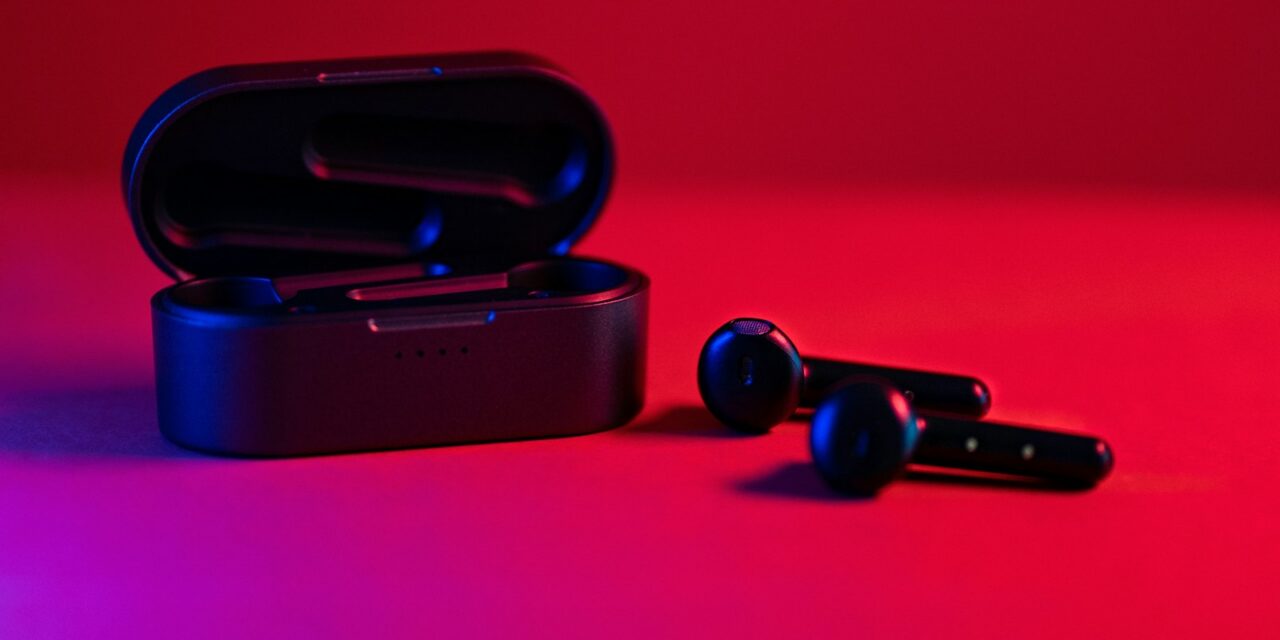
Noise-cancelling earbuds used to start at $200. Now there are dozens under $100, and the good ones do most of what the expensive ones do. The trick is that spec sheets at this price all look alike. These are the things that actually separate them.
Fit comes first
Nothing matters more. If the tips do not seal your ear canal, bass disappears and noise cancelling barely works, whatever the box promises.
Look for at least three sizes of ear tip in the box, and try them all. Many people need a different size in each ear. Some companion apps include a fit test that plays a tone and tells you whether the seal is good. If earbuds tend to fall out of your ears, look for a design with a stabilizing fin or a stem.
What noise cancelling can and cannot do
Active noise cancelling works best on steady, low sounds: engine drone, air conditioning, the rumble of a train. It is much less effective on voices, keyboards and sudden noises.
At this price, expect a real reduction in background hum and a modest effect on everything else. Reviews that measure how much noise is removed are more useful than a manufacturer’s decibel claim.
Check for a transparency mode too. It uses the microphones to let outside sound in, so you can hear announcements or traffic without taking an earbud out. Quality varies a lot, from natural to tinny.
Call quality is the usual weak spot
Budget earbuds often sound fine for music and poor on calls, especially outdoors. Wind is the main enemy. If you take a lot of calls, look for reviews with recorded microphone samples in a noisy setting, because this is the hardest thing to judge from a spec sheet.
Battery life
Look for six hours or more per charge with noise cancelling on, and a case that holds at least three more charges. Note that quoted figures are often measured with noise cancelling off. A quick-charge feature, giving an hour of playback from ten minutes in the case, is handy.
Small features with a big effect
- Multipoint connection. Stays connected to two devices at once, so audio switches from your laptop to your phone when a call comes in. Once you have it, you will not go back.
- A companion app with an equalizer. Budget earbuds are often tuned with heavy bass. An equalizer lets you fix that.
- Water resistance. IPX4 handles sweat and rain. Higher ratings handle more.
- Controls you can customize. Touch controls are easy to trigger by accident. Being able to change or disable them helps.
- Wireless charging case. Convenient, though not essential.
A word on audio codecs
A codec is how sound is compressed for Bluetooth. Higher-quality codecs only help if both your phone and your earbuds support the same one. iPhones use AAC. Android phones support a wider range. For most listening, in most places you wear earbuds, fit and tuning matter far more than the codec.
What more money buys
Spending $200 or more gets you stronger noise cancelling, better call microphones, more polished transparency and tighter integration with your phone. For commuting, the gym and everyday listening, a well-chosen pair under $100 is enough for most people.
Before you buy
Earbuds are personal. Buy from a store with an easy return policy, wear them for a full day, take a call outside, and send them back if they are not comfortable.